
 العربية
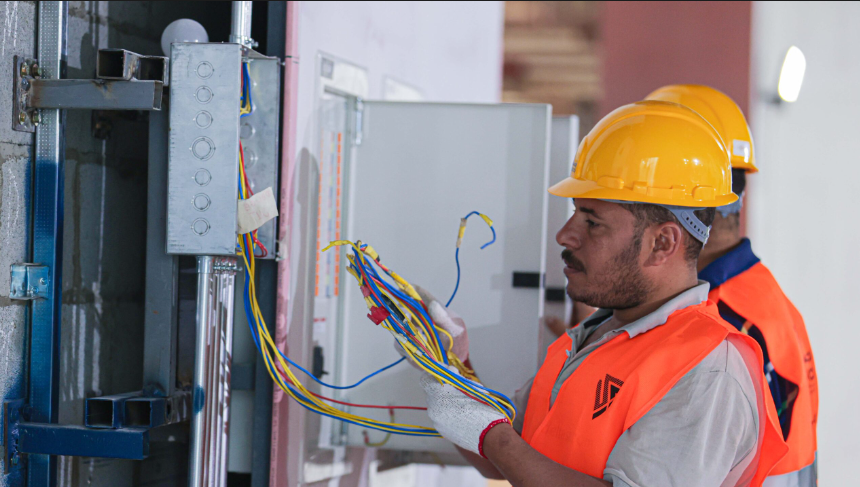 Installing electrical wiring in the ceiling is considered one of the most important steps in building electrical work, as it directly affects the efficiency and safety of the electrical network. Ceiling electrical work relies on careful planning and proper implementation to avoid any future errors that could be costly or dangerous. Therefore, it is essential to adhere to the approved building electrical design, which accurately specifies the locations of lighting, switches, and outlets. Understanding this stage is not limited to engineers alone; homeowners must also be aware of it to ensure safe, high-quality results that last for a long time.
Electrical Wiring Work Item
Electrical wiring work is considered one of the most important stages of building electrical work, representing the second step after plumbing in the comprehensive finishing stages of any residential unit or property. Ceiling electrical work is often carried out in parallel with plumbing work to ensure optimal distribution of wiring and maximize the use of available space. This section is divided into two main parts:
1. Foundation Section
In this stage, the actual electrical work in buildings is carried out, where boxes, hoses, sockets, and assembly boxes are installed inside the walls or ceilings. This stage is considered one of the fundamentals of building electrical design, as it accurately determines the locations of future extensions. At this stage, electrical wires can be pulled, or temporary ties can be installed to facilitate the subsequent pulling of wires without the need for demolition or modification.
2. Finishing Section
In this stage, ceiling electrical work is completed by pulling the wires, if not already pulled, and opening the spotlight locations inside the ceiling according to the building's electrical design plans. Switches, sockets, and chassis are installed for all boxes, and then the circuit breaker panels are closed to ensure efficient and safe electrical power distribution. Here are some tips to follow to ensure safety and efficiency.
Tips for Installing Ceiling Electrical Installations
1. Pre-Planning Extension Routes
One of the most important steps in designing a building's electrical system is to carefully plan every electrical point within the ceiling. This includes determining the locations of switches, outlets, and wiring paths. Proper planning is essential for building electrical work because it prevents conflicts with water lines or structural elements.
Looking for construction or contracting services in Saudi Arabia?
2. Adherence to the Local Electrical Code
Each country has its own code regulating ceiling electrical work and dictating technical rules for safety and security. The engineer or technician responsible for designing building electrical systems must ensure compliance with these codes to avoid legal issues and ensure the safety of the facility.
3. Choosing the Right Wire Quality and Thickness
One of the most common mistakes in building electrical work is using wires that are not suitable for the required loads. Cables must be chosen based on the quality of the conductor and the thickness of the wire to match the electrical load, especially for air conditioning lines or heavy appliances.
4. Protecting Wires with Special Pipes
As part of the roof electrical work procedures, it is recommended to use PVC pipes to insulate and protect the wiring inside the ceiling. This step is essential in every building electrical work project, protecting the wiring from damage, moisture, and heat.
5. Ensuring Connection Points are Insulated
During the building electrical design phase, it is essential to focus on safely insulating all electrical connection points using insulation tape or dedicated connection chambers to ensure that electrical short circuits and sparks do not occur.
6. Testing Connections Before Pouring Concrete
One of the most important procedures in roof electrical work is testing the connections after installation and before pouring the ceiling. Neglecting this step makes it difficult to correct any errors later, jeopardizing the quality of the project.
Looking for construction or contracting services in Saudi Arabia?
Of course, every technical field has its own vocabulary of terminology, and in the field of building electrical work, there are a set of basic words and concepts that any technician, engineer, or even property owner should be familiar with.
Common Terminology in Building Electrical Work
1. Boxes: These are plastic boxes embedded in walls or ceilings to later install switches and outlets. Boxes are primarily used in building electrical design and are essential components for the safe and organized execution of electrical work in buildings.
2. Crim: A term used to refer to the angles or bends that occur in plastic hoses or pipes during installation. Crimping is important to carefully consider during ceiling electrical work to prevent damage or excessive stress on the wires, a critical point in any building electrical design project.
3. Rosette: A tool used to bundle wires instead of using tape or screws. Rosettes are an essential safety measure in building electrical work, ensuring proper arrangement and insulation of wires, especially in hidden areas within ceiling electrical work.
4. Botches: These are boxes designed to hold pipes and wires and come in various sizes depending on the need. The use of botches is essential in building electrical design because they help organize wiring and facilitate subsequent maintenance, especially in large projects that require precise coordination of electrical work.
5. Powerful outlet: This is an electrical outlet (plug) used to connect appliances that require high power, such as heaters, refrigerators, or electric ovens. When implementing ceiling electrical work and electrical work in buildings, these outlets should be installed in carefully considered locations and with wires designed to withstand heavy loads, according to the building's electrical design plans.
Ceiling Plumbing Dimensions and Their Relationship to Electrical Work
During the foundation phase, a 6-inch main pipe is extended into the ceiling during the concrete pouring. This is an essential step to ensure the plumbing is properly executed. After pouring, the pipe is removed and 4-inch or smaller pipes are passed through it as needed, facilitating the desired drainage slope and preventing water accumulation or unpleasant odors. Coordination between plumbing and ceiling electrical work is essential, as the wiring may overlap. Therefore, it must be implemented according to precise plans drawn up by the building's electrical design. It is also important that this step be consistent with the rest of the building's electrical work to avoid any conflicts during finishing work. Building electrical design ensures sufficient space for safe and organized plumbing installation within the ceiling, ensuring quality work and ease of future maintenance.
Building electrical work faces a number of common problems that can affect the safety and efficiency of the electrical system. Learn about these problems and how to avoid them.
Looking for construction or contracting services in Saudi Arabia?
Common Electrical Problems and How to Avoid Them
One of the most prominent of these problems is overloading, which can lead to frequent circuit breakers tripping and even cause serious fires if not addressed properly. Wire corrosion is also a recurring problem, often caused by exposure to moisture or the use of wires with poor insulation. In modern building electrical design projects, emphasis is placed on selecting environmentally resistant materials to avoid this risk. Additionally, poor connections between wires and switches can lead to poor performance and the possibility of electrical sparks. The absence of a grounding system or its incorrect connection are serious mistakes that should be avoided completely when implementing ceiling electrical work, as grounding is a key protective element in any building electrical system.
Specialized programs play a fundamental role in building electrical design, enabling the creation of accurate and detailed plans that facilitate the professional implementation of electrical work in buildings. Learn more about these programs with us.