 العربية
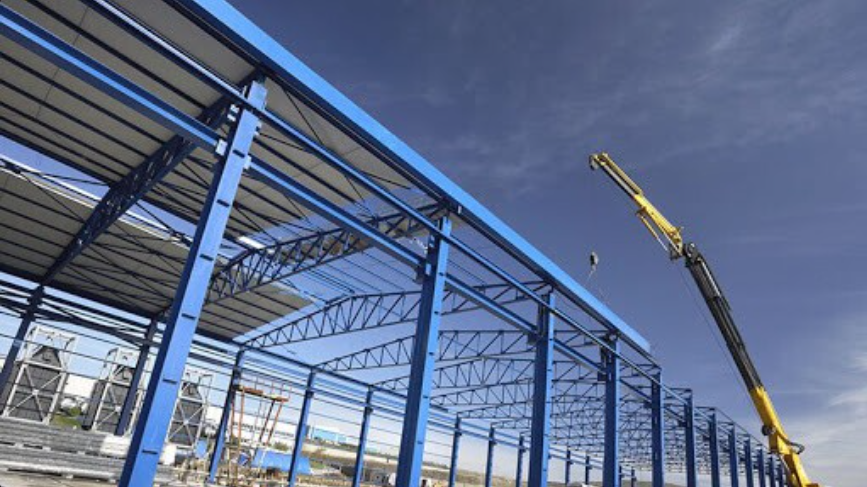 The process of installing steel structures is a pivotal step in many industrial and commercial projects. Combining engineering precision with speed of implementation, it is the preferred choice for many developers and contractors around the world. With the growing trend toward smart and sustainable building solutions, steel structures have become one of the most prominent construction solutions that meet the aspirations of the modern era. The use of steel structures extends to a wide range of projects, from warehouses and storage facilities, to stadiums and administrative buildings, to multi-story garages and large factories. In this article, we will cover everything related to the installation of steel structures, from the planning and design stages, through the manufacturing and transportation processes, to final installation and quality testing.
What is the meaning of steel structure installation?
The installation of steel structures is the process of assembling and connecting structural elements made of metal, often steel or iron, to form structures or buildings with multiple functions, whether industrial, commercial, or service. This process includes preparing and manufacturing components in factories, then transporting them to the project site and assembling them according to a precise engineering design that takes into account loads, safety, and the nature of use.
Steel structures are used in the construction of a wide range of structures, such as factories, warehouses, multi-story garages, shopping malls, stadiums, airports, and even some residential buildings. These structures are characterized by their strength and durability, along with ease and speed of installation compared to concrete structures. The process of installing steel structures requires a high level of coordination between the design, manufacturing, and construction teams, as well as the use of specialized equipment to ensure accuracy and safety during assembly, such as cranes, welding tools, and laser measuring systems.
Stages of Steel Structure Installation
1. The Planning and Preliminary Study Stage
This stage is the first step in the installation of steel structures. It involves a comprehensive site analysis in terms of soil nature, geographic location, and available space. The type, function, and future size of the structure are also determined. This stage also includes developing an initial budget that determines implementation capabilities and selecting appropriate materials and designs. This early preparation serves as the foundation for the remaining stages of the project, and any errors or miscalculations may negatively impact the accuracy of the design or subsequent implementation efficiency.
2. The Engineering Design Stage
In this stage, engineering programs such as AutoCAD and Tekla are used to accurately design the steel structure, specifying dimensions, loads, and anchor points. The type of metal is selected according to the nature of the project and environmental conditions, taking into account future expansion and ease of maintenance. This stage is the foundation for the quality and efficiency of the structure.
3. Fabrication of Metal Components
After the design is completed, the manufacturing process of the components begins in specialized factories. Metal panels are cut and bent to the required dimensions, and the necessary bolt holes and welds are executed to assemble the various components, such as columns and beams. Corrosion, moisture, and fire protection coatings are also applied according to the type of facility. This process is carried out in a controlled environment to ensure the highest possible quality and accuracy before the components are transported to the site.
4. Transport to the Project Site
The fabricated metal components are transported to the steel structure installation site using specially equipped trucks. The components are arranged in the installation sequence to facilitate subsequent assembly, with preventative measures taken to protect them from scratches or deformation during transport. Proper coordination at this stage plays a significant role in expediting and facilitating the installation process and reducing waste of time and resources.
5. Site Preparation and Foundation Preparation
Before the installation process begins, the site must be fully prepared by pouring concrete foundations and carefully securing the metal sheets in place. These foundations are the essential support for the columns. The ground level is also ensured, and the drainage and electrical infrastructure is completed to ensure the steel structure is structurally stable and safe in the long term.
6. Steel Structure Installation
This stage represents the core of the steel structure installation process. The steel columns are lifted by massive cranes and secured to their concrete bases. This is followed by the installation of vertical and horizontal beams and their connection using bolts or welding. Continuous vertical and horizontal alignment is ensured using precision tools. Tensioners and supporting connections are also added to ensure the structure's integrity and resistance to lateral loads such as wind or vibration.
7. Secondary Installation and Finishing
After the primary structure is complete, secondary installation work begins. This includes the installation of metal roofs and side walls, typically made of metal panels or aluminum. During this stage, thermal or sound insulation is installed according to the project's needs, in addition to the installation of doors, windows, and ventilation openings. Care is also taken to prepare the necessary openings for electrical and air conditioning installations and other future operational services.
Looking for construction or contracting services in Saudi Arabia?
8. Testing and Final Inspection
Before the facility is handed over, a series of thorough inspections are conducted to ensure the quality of construction and the integrity of the metal structure. These inspections include testing welds, ensuring the tightness of bolts and connections, and checking the facility's ability to withstand the designed loads. Compliance with approved plans and applicable safety standards is also verified, ensuring the facility is ready for safe and sustainable use.
9. Delivery and Documentation
In the final stage of the steel structure installation process, the project is handed over to the owner after ensuring the completion of all work and details. All implementation stages, from design to installation and inspection, are documented. Detailed technical reports are provided, along with warranty and quality certificates for the metal components, enhancing the client's confidence in the project's safety and long-term sustainability.